Healthy Lakes & Rivers Demonstration Rain Garden
See what a rain garden can look like in your yard - and how to get it funded.
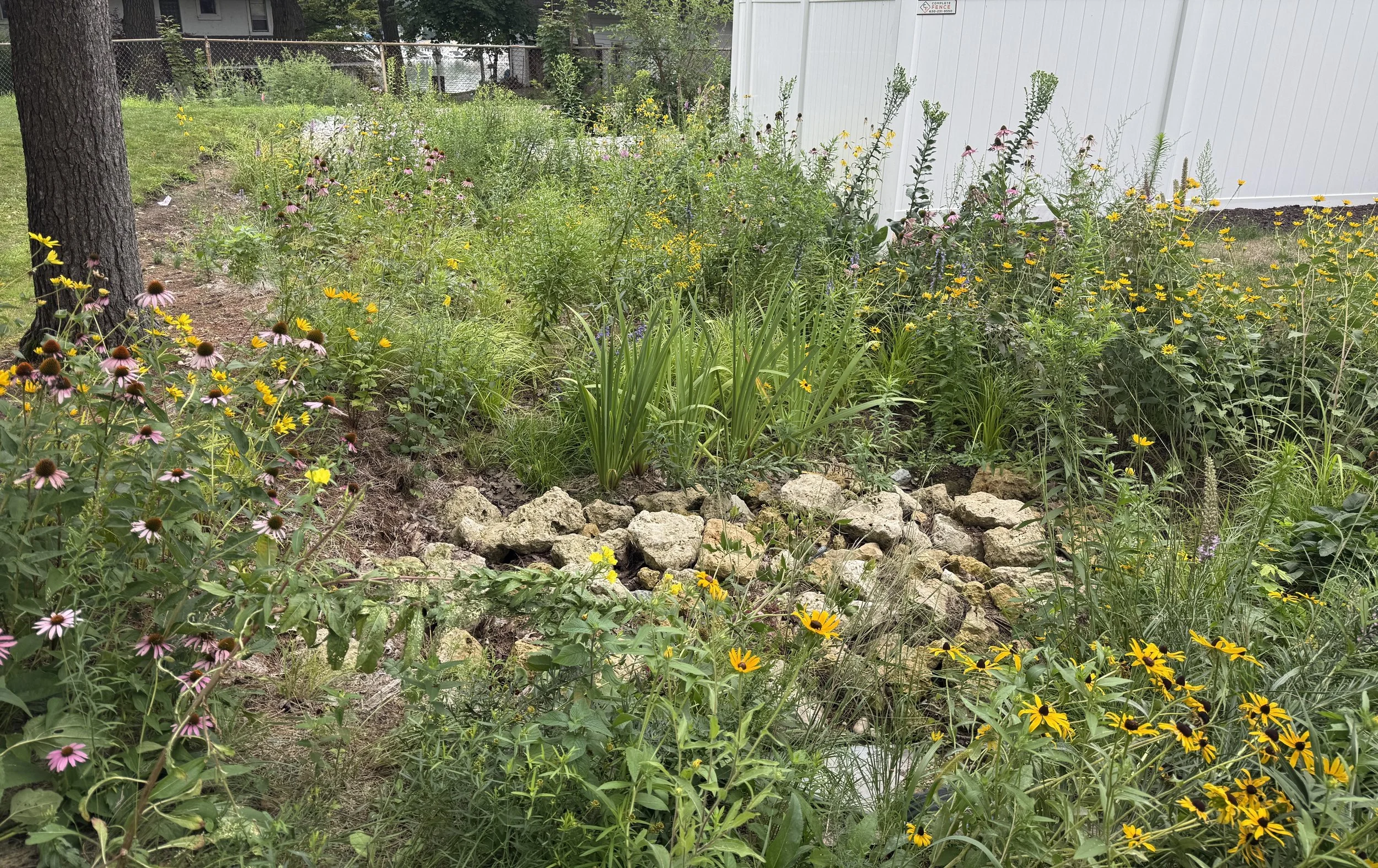
Healthy Lakes & Rivers Demonstration Rain Garden in August 2026
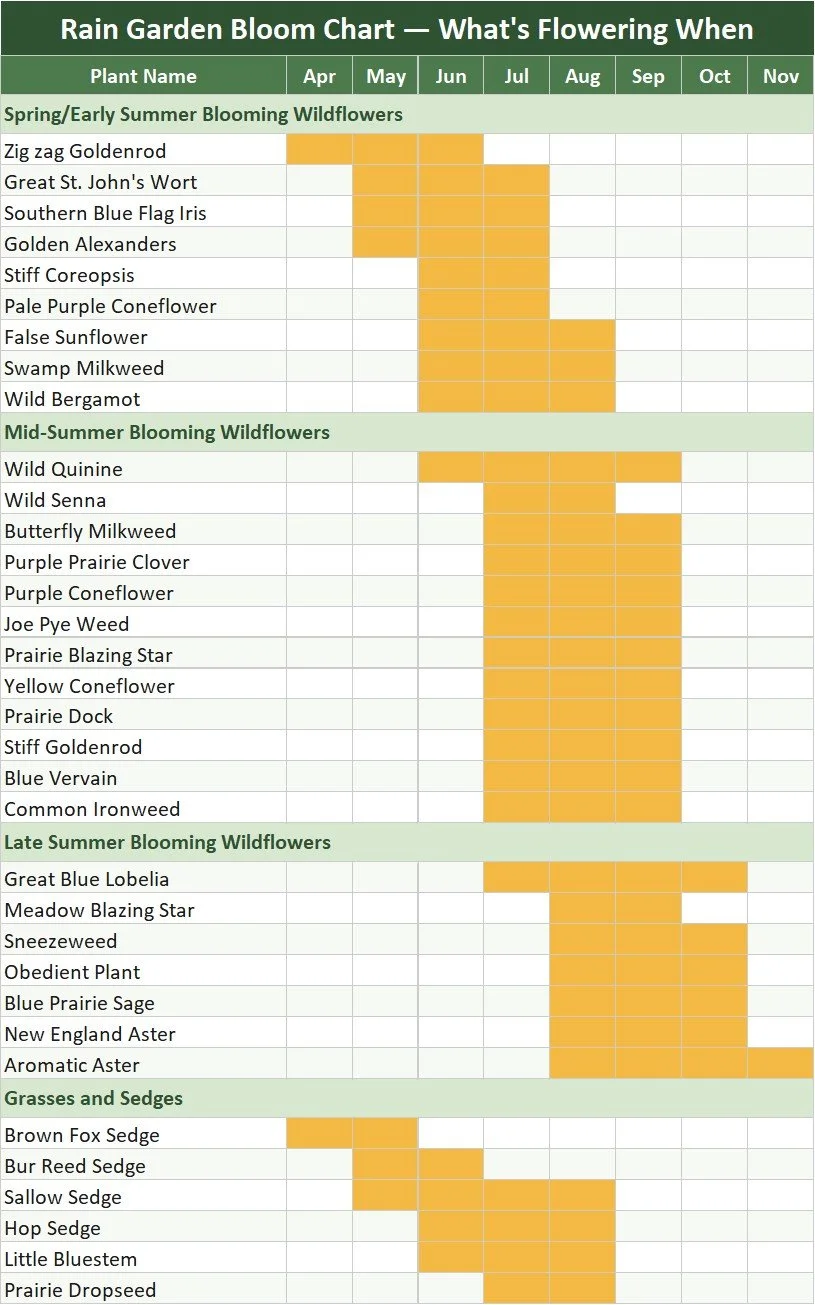
identify what’s blooming
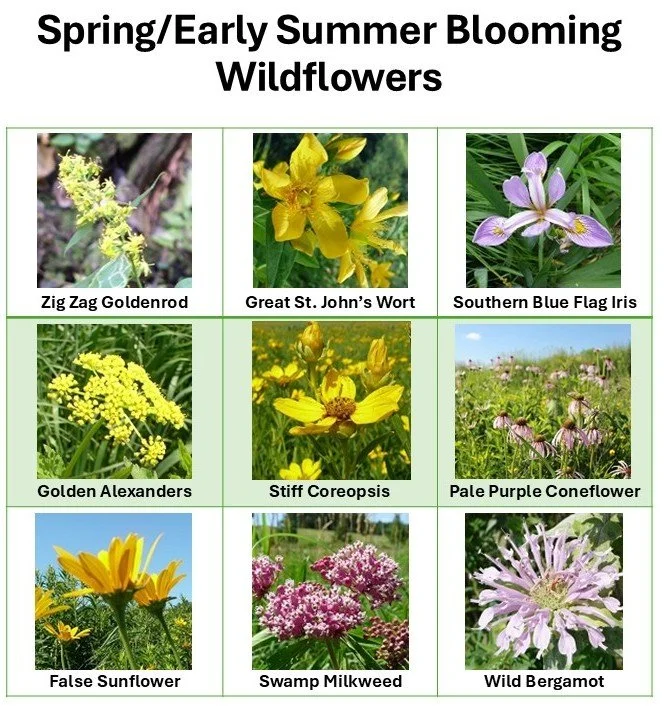
While visiting the rain garden during the growing season, check out the chart below to see what’s in bloom. Then, scroll down to the plant photos to help identify what you see. Photos in this section were obtained from Agrecol Native Seed and Plant Nursery (https://www.agrecol.com/) and Prairie Moon Nursery (https://www.prairiemoon.com/).
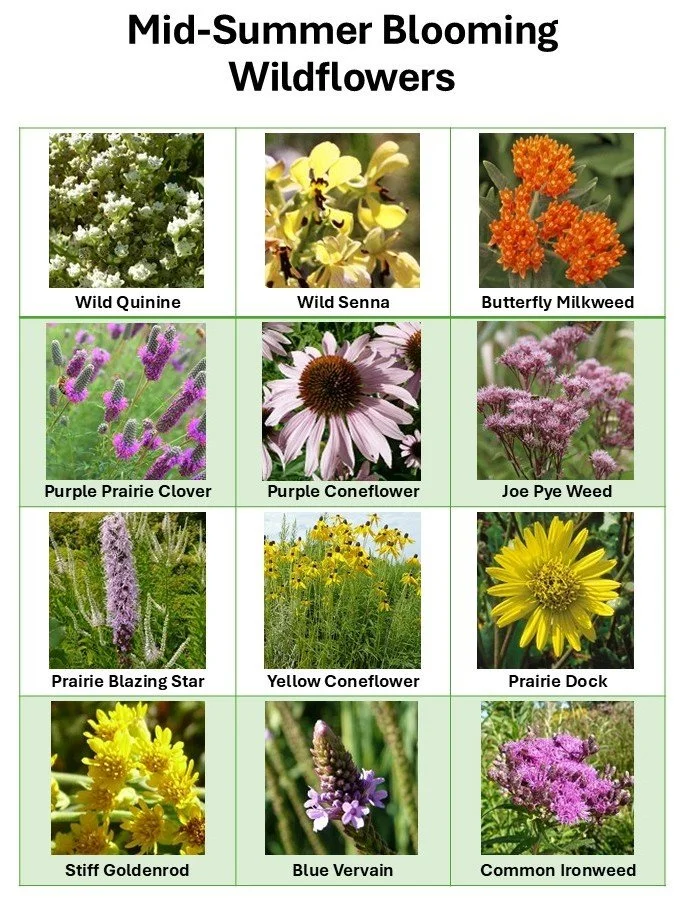
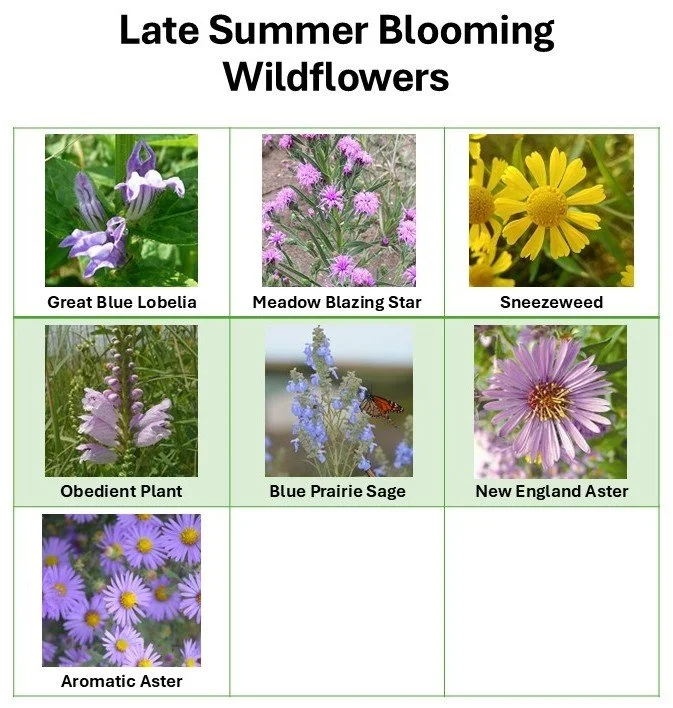
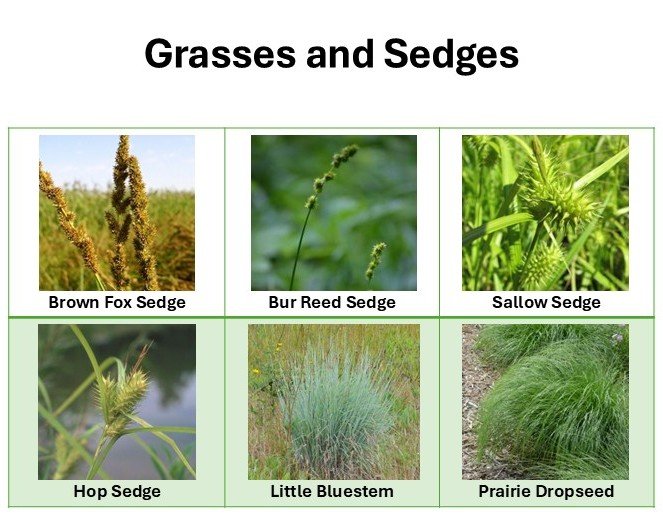
the story
In August 2025, during construction of the new clubhouse at the Lauderdale Lakes Country Club, the LLIA installed a grant-funded stormwater management rain garden and rock infiltration trench adjacent to the new clubhouse. Rain gardens are landscaped areas in low spots of a yard or open area where water typically gathers after a storm. Rain gardens are planted with wildflowers and other native plants selected specifically for their capacity to soak up rain - in this case, preventing it from running to storm drains and the lake. Native plants are preferred in rain gardens because they have deep roots that allow more rainwater to soak into the ground. In addition, native plants provide better wildlife habitat.
Purpose of a Rain Garden
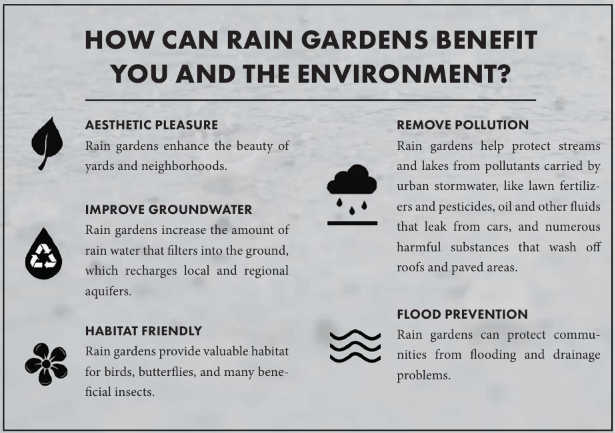
From Healthy Lakes & Rivers Rain Garden Technical Guidance
While native plants can look more wild than a traditional garden, they serve an important function at the Lauderdale Lakes Country Club. During storms, water flows to the lowest spots of the golf course, along Country Club Drive, and then into a culvert that drains into Mill Lake. During larger storms, this can lead to flooding along the roadway as well as chemicals and other pollutants picked up by stormwater flowing into the lake. Rebuilding the clubhouse provided the LLIA with an opportunity to address this issue with the installation of a rain garden and rock infiltration trench along Country Club Drive.
Using the available space between the clubhouse and the 1st tee, an 800 square-foot rain garden was planted using 640 native plants comprised of 34 different species, including wildflowers, sedges, and grasses. Before, during, and after photos are included below. In addition, a 225 square-foot rock infiltration trench was installed along the South side of Country Club Drive to capture additional runoff before it can reach the lake. These projects were partially funded by a Wisconsin Department of Natural Resources Healthy Lakes & Rivers grant.
Readers may be interested to know that grant funding is available to property owners throughout Lauderdale Lakes who choose to install a rain garden or other approved best practices on their property. In addition to providing much-needed stormwater management, the rain garden and rock infiltration trench are visible examples of grant-funded best practices.
before → during → after
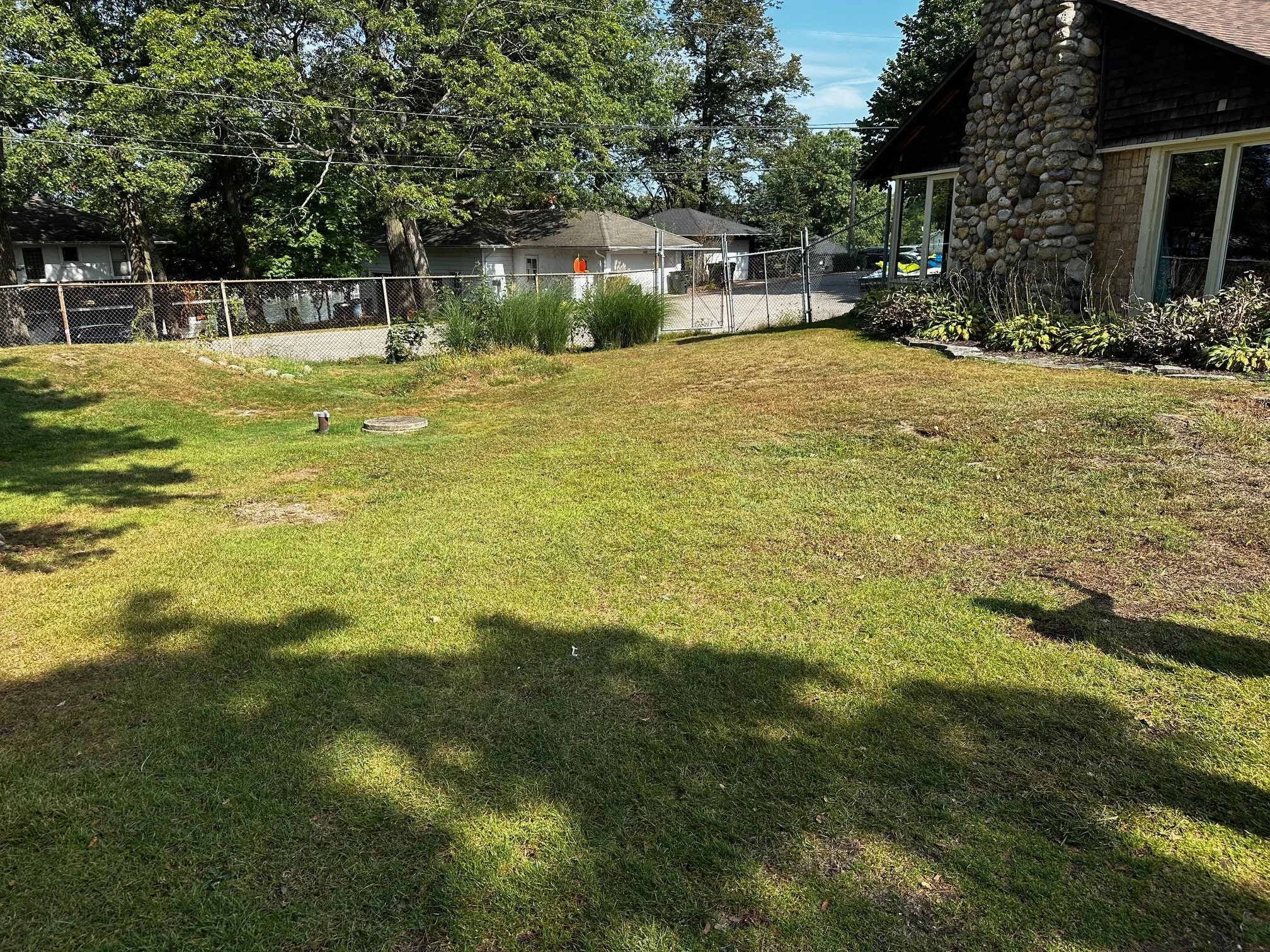
September 2024: Before rain garden
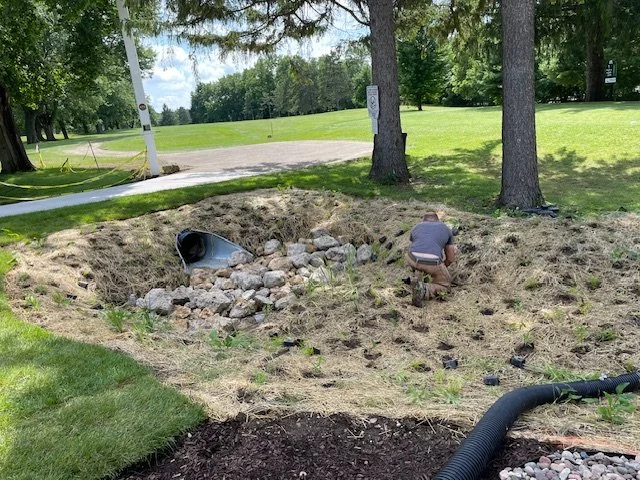
August 2025: Installing native plant plugs
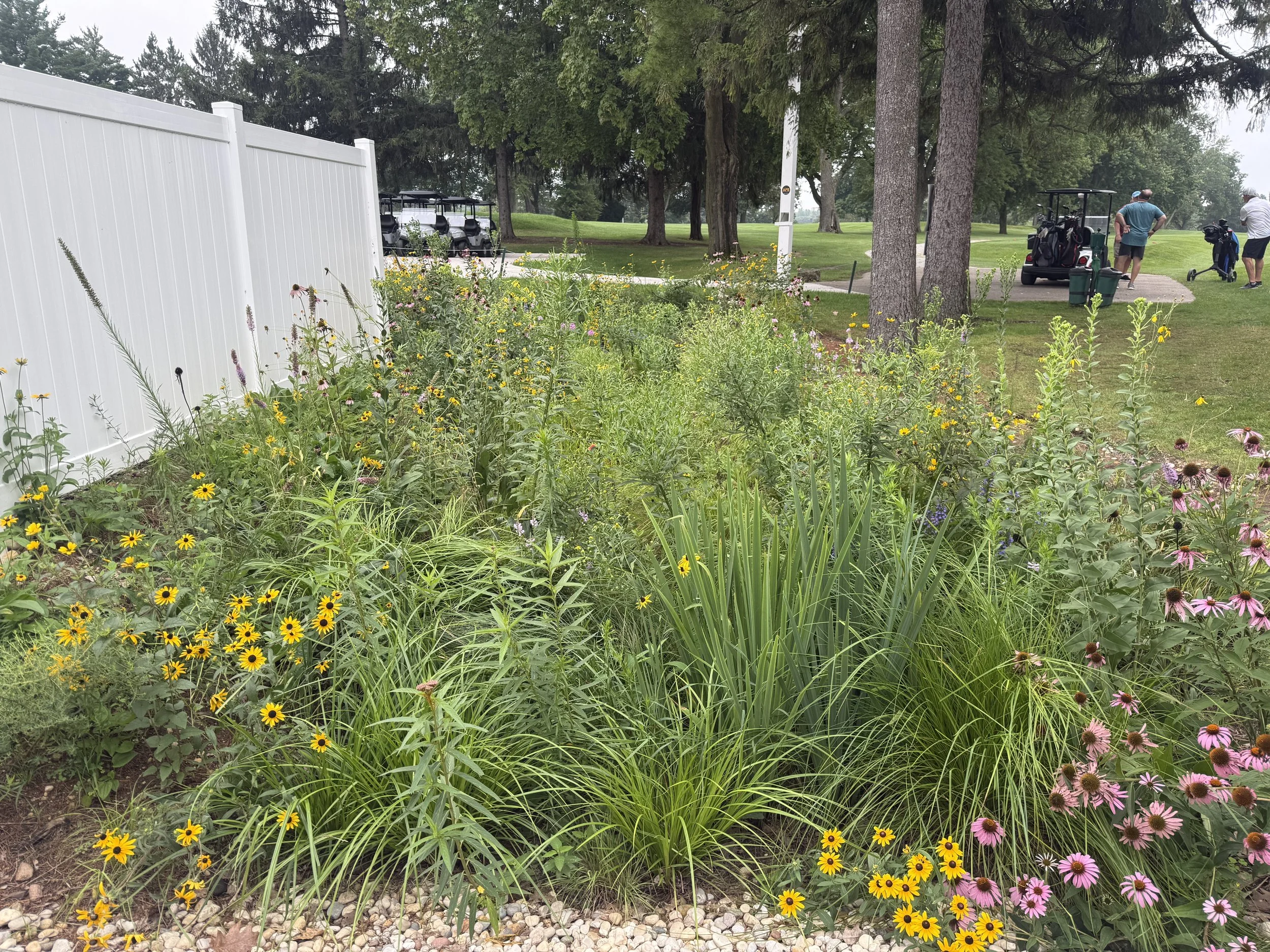
August 2026: Completed rain garden
how the healthy lakes & rivers grant program can benefit you
Homeowners with stormwater runoff issues, low spots on their property that periodically hold water, or an interest in creating native wildlife habitat may qualify for grant funding. Healthy Lakes & Rivers is a program intended to protect and restore the health of lakes and rivers by helping property owners participate in habitat restoration and runoff and erosion control projects. Healthy Lakes & Rivers includes five (5) simple and inexpensive best practices that improve habitat and water quality on shoreland property. These include rain gardens, native shoreline planting, fish sticks, water diversion, and rock infiltration trenches. Property owners can receive up to $1,000 for each best practice implemented on their property through the Healthy Lakes & Rivers grant program.
If you are interested in learning more about these best practices or the grant program in general, LLIA can help. LLIA is a local sponsor for the Healthy Lakes & Rivers program and can help assess your property to provide recommendations on eligible best practices. We will also assist with preparation of the grant application, and the documentation needed for reimbursement. If you think a healthy lakes best practice could be right for your property, please contact us at LLIAHealthyLakes@gmail.com.
The Healthy Lakes & Rivers webpage (https://healthylakeswi.com/) includes fact sheets and technical documents that provide step-by-step instructions on installing each best practice. Review these resources to determine if installing a best practice is right for you. For example, the rain garden technical guidance includes information on several frequently asked questions, including the following:
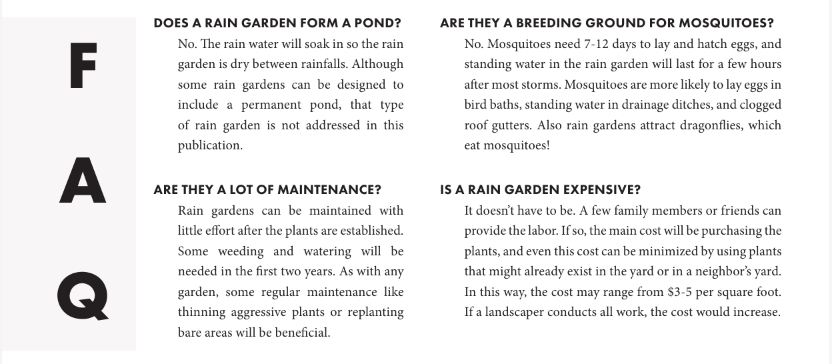
From Healthy Lakes & Rivers Rain Garden Technical Guidance
what’s next?
LLIA will provide ongoing maintenance for the rain garden and rock infiltration trench to provide long-term stormwater control and allow homeowners to view working examples of these best practices. Maintenance typically includes removing invasive plants, removing leaves and other debris from the rocks, and rinsing or replacing the rocks to prevent the trench from becoming clogged. Please reach out to LLIA if you are interested in helping with maintenance of these best practices.
Native plants take time to grow, and you’ll notice significant changes in the rain garden throughout the season and each year. If you’re interested in learning more about the native plants in this rain garden, the next few pages include a list of each species planted and show when you can expect to see them flowering along with photos of each species to help identify what you see growing each time you visit.
resources for additional Information
LLIA E-mail Address:
Healthy Lakes & Rivers Webpage:
Rain Garden Fact Sheet:
Rain Garden Technical Guidance: https://healthylakeswi.com/wp-content/uploads/sites/366/2016/03/Healthy-Lakes-Rain-Garden-Technical-Guidance.pdf
Rock Infiltration Fact Sheet:
Rock Infiltration Technical Guidance: https://healthylakeswi.com/wp-content/uploads/sites/366/2016/03/Healthy-Lakes-Rock-Infiltration-Technical-Guidance.pdf